
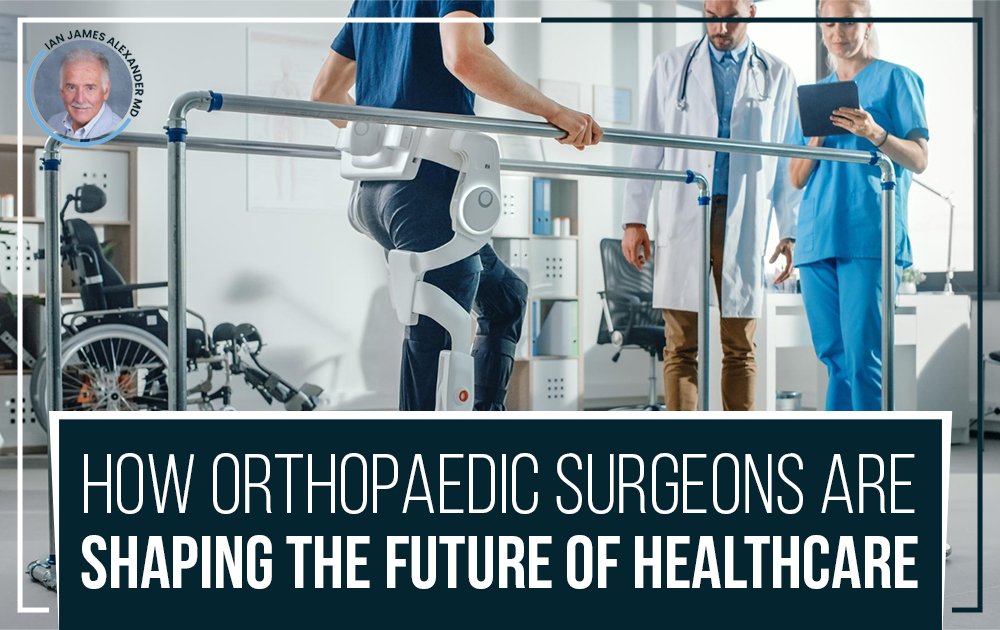
Orthopaedic surgeons play a far bigger role in today’s healthcare system than performing operations. Their work demands precision, calm thinking and strong decision making, which naturally positions them as influential voices in modern healthcare practice. With new technologies emerging and patient expectations rising, these specialists are stepping forward to guide their teams, improve clinical systems and support stronger models of care.
Their impact is growing because they understand patient needs from both a surgical and long term recovery view. This combination helps them guide hospitals toward smarter planning, safer systems and better patient outcomes. As the healthcare world changes, orthopaedic surgeons are taking on responsibilities that help shape the future of medical care.
The Evolving Role of Orthopaedic Surgeons in Healthcare Leadership
Modern systems look for leaders who think clearly, remain calm under pressure and make strong decisions. These qualities naturally exist within orthopaedic practice. Surgeons must constantly coordinate with multiple departments, ensuring every detail of a patient plan is aligned and safe.
This makes their leadership style grounded in practical experience, not theory. They understand the challenges of daily hospital demands, making their decisions realistic and patient centered. As a result, many hospitals look to them when improving patient flow, introducing innovation or shaping clinical protocols.
Their influence is also expanding as more surgeons take part in training programs, workshops and leadership pathways. These skills allow them to step into guiding roles within medical teams, committees and system wide projects.
Guiding Teams With Confidence and Clarity
Strong guidance is essential in any clinical setting. Orthopaedic specialists often become the anchor during high pressure moments, helping teams stay organized and focused. Their ability to coordinate operating room staff, therapists and nurses shows natural strengths in medical team leadership.
Their leadership style often includes structure, steady communication and respect for every discipline. This helps create an environment where everyone understands their role and works toward the same goal.
Surgeons also support younger physicians, helping them learn how to manage cases effectively. Sharing experience builds stronger teams and improves confidence across departments.
The Influence of Dr. Ian Alexander in Advancing Leadership Mindsets
Many professionals across the field are inspired by leaders who bring clinical wisdom together with real leadership understanding. One such figure is Ian James Alexander MD, whose teachings highlight the need for emotional intelligence, communication and balanced decision making in modern practice.
His insights help surgeons connect their medical expertise with leadership behaviors that strengthen hospitals from the inside. These ideas guide physicians toward better teamwork, clearer communication and healthier work environments.
His contributions have helped many healthcare workers view leadership not as a role, but as a daily responsibility.
How Orthopaedic Surgeons Improve Patient Outcomes Through Better Systems
Surgeons often see what happens before, during and after a medical procedure. This gives them a full picture of patient needs and system challenges. They understand where delays happen, where communication breaks down and where safety risks increase.
Because of this wide view, many surgeons are now involved in improving:
- Safety protocols
- Patient recovery pathways
- Coordination between surgical and rehab teams
- Use of digital tools and diagnostics
- Training programs for new staff
Their involvement leads to fewer errors, smoother processes and more consistent care. Their practical experience makes their guidance valuable to administrators and clinical staff who want real solutions.
Innovation Driven by Hands On Medical Experience
Orthopaedic teams work with groundbreaking technology daily. They manage robotic surgery tools, 3D imaging, AI supported planning and new implant materials. Their comfort with innovation helps push healthcare forward.
By testing, reviewing and refining new tools, they help organizations choose effective technology instead of wasting resources. Their feedback is essential for shaping future surgical techniques and care plans.
Innovation is not only about technology. It is also about creating smarter ways of working. Many surgeons help design new program models that reduce wait times, improve follow up care and boost patient mobility after surgery.
How Leadership Literature Helps Surgeons Strengthen Their Influence
Leadership learning is becoming common in medical careers. Books and training resources help doctors understand what it means to guide people, not just treat patients.
One resource that supports this growth is Thrust into Leadership, which presents real life challenges that healthcare workers face when stepping into leadership roles. The insights help surgeons understand how to manage teams ethically, communicate calmly and motivate others during difficult moments.
This type of learning helps bridge the gap between clinical expertise and leadership responsibility, creating stronger medical environments.
Mentoring the Next Generation of Medical Leaders
Orthopaedic surgeons often mentor residents, fellows and young doctors. Their experience teaches new professionals how to think critically, manage complex cases and stay steady during emergencies.
Beyond clinical training, they often shape professional behavior such as:
- Responsibility
- Respect toward staff
- Calm decision making
- Confidence in communication
- Ethical conduct
These qualities are essential for the next generation of healthcare leaders. Growth in these areas leads to better teamwork, improved patient communication and stronger clinical decision making.
Mentorship also builds trust across hospital departments because staff feel guided by someone experienced and supportive.
Balancing Patient Care With Leadership Responsibility
Orthopaedic surgeons carry a heavy workload. Their day includes surgeries, consultations, planning, paperwork and emergencies. Yet many still find ways to contribute to system improvement. This balance shows their commitment to shaping healthcare in meaningful ways.
Their leadership style is rooted in practical understanding. They lead by example, showing discipline, responsibility and dedication. This influences not only their team but also the wider hospital environment.
Patients benefit greatly from this balance. When surgeons guide systems toward better care, the results include safer procedures, organized recovery plans and clearer communication.
The Future Shaped by Orthopaedic Insight
The future of healthcare will depend on strong leadership, innovation and teamwork. Orthopaedic specialists already play a key part in these areas. Their hands on experience helps shape decisions that improve quality standards and streamline hospital systems.
They will continue to influence:
- Patient safety programs
- Technology adoption
- Cross department collaboration
- Training and mentoring
- System wide planning
As their role expands, patients will experience more reliable care, hospitals will function more efficiently and medical teams will work with more confidence.
Conclusion
Orthopaedic surgeons are becoming powerful voices in modern healthcare. Their problem solving skills, calm decision making and practical understanding of patient needs position them as essential leaders in shaping the future of care. With contributions to better systems, stronger teamwork and innovation, they influence both clinical outcomes and workplace culture.
Through inspiration from leaders like Dr. Ian Alexander, and learning resources like Thrust into Leadership, these specialists continue to grow beyond the operating room. Their impact is creating a healthcare environment that is safer, smarter and more supportive for both staff and patients.
Orthopaedic leadership is not a trend. It is a driving force that will guide healthcare into a stronger and more patient centered future.

